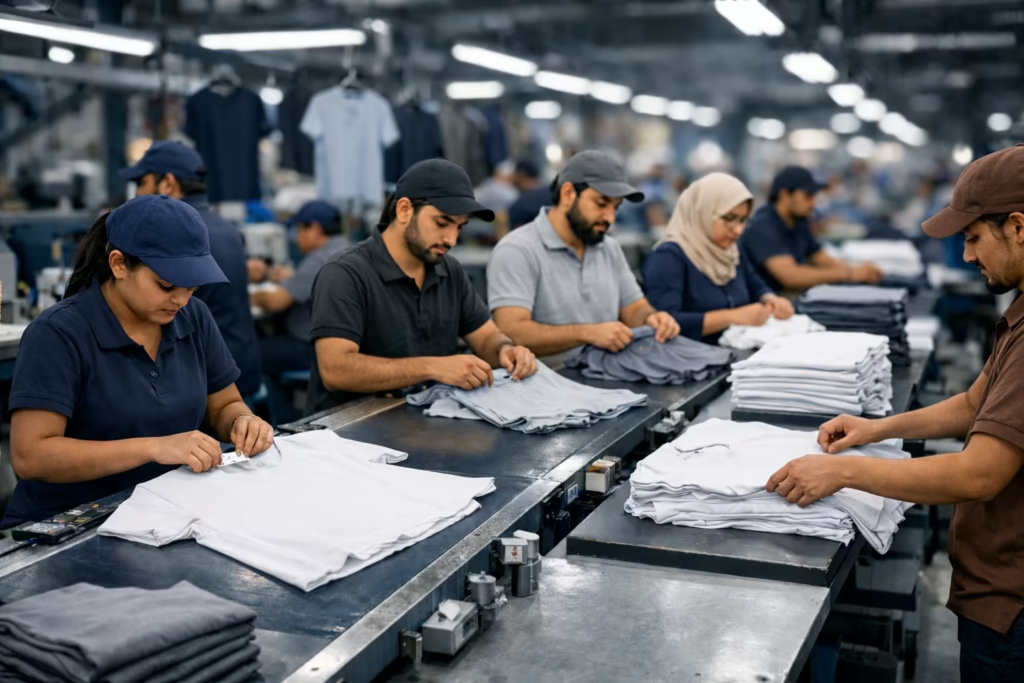
Manufacturing Process

Our Manufacturing Process

1. Fabric Sourcing

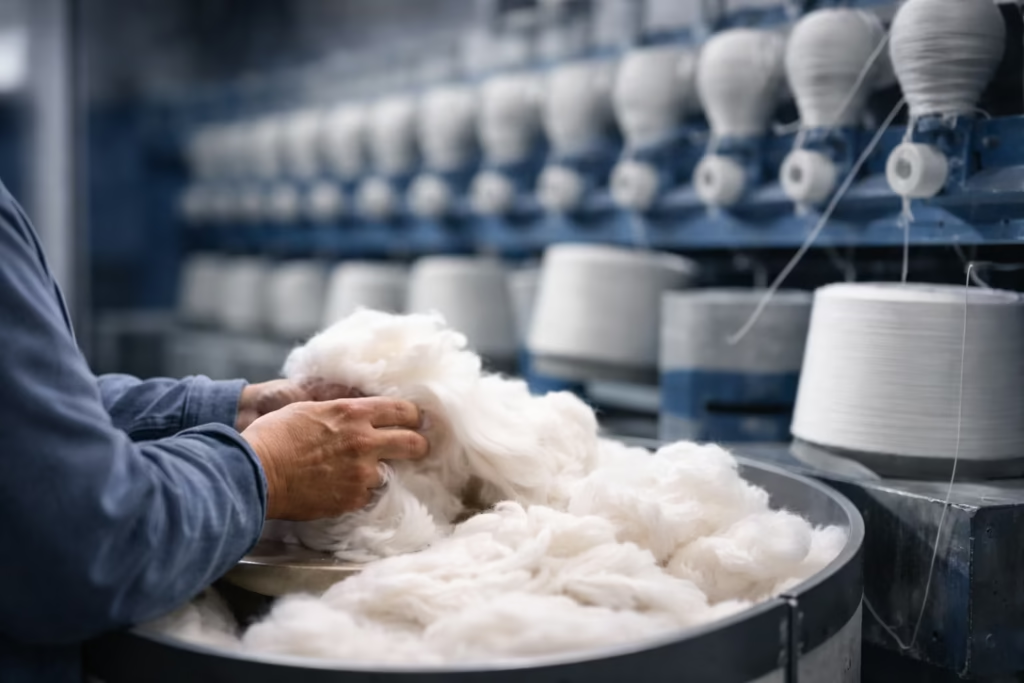
We begin by sourcing the highest-quality fabrics from trusted local suppliers in Pakistan. All materials are selected for their durability, consistency, and compliance with international standards, ensuring a strong foundation for every product we manufacture. 

2. Weaving, Knitting & Non-Woven Formation

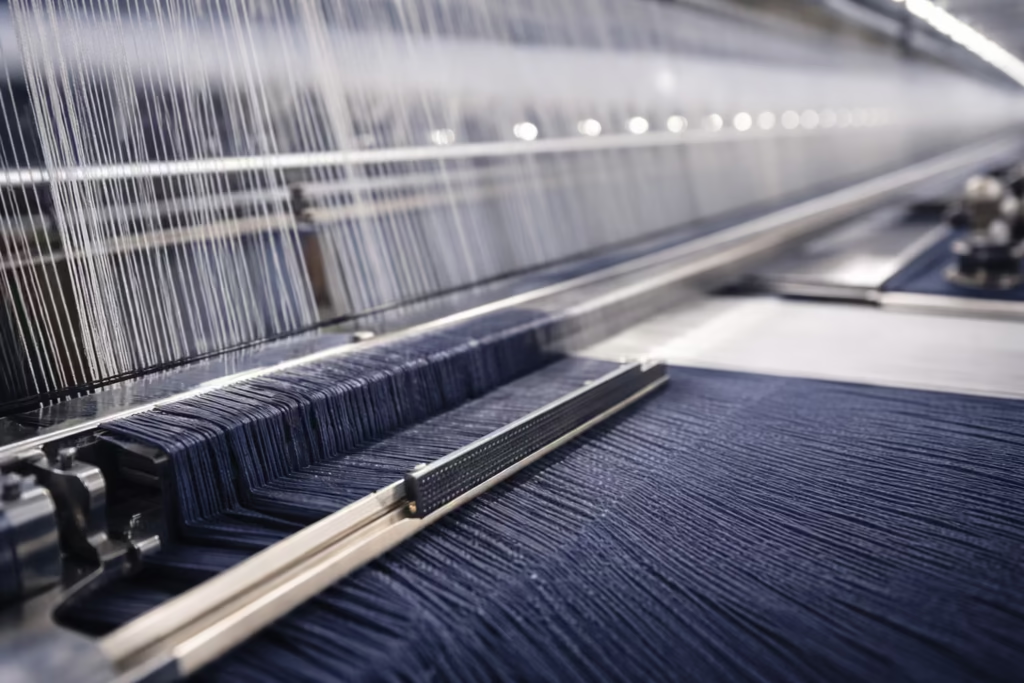
Weaving: Yarns are interlaced at right angles to create structured, durable fabrics.

Knitting: Yarns are looped to form flexible and comfortable fabrics ideal for apparel.

Non-Woven: Fibers are bonded directly to create specialized materials without traditional weaving or knitting.

3. Dyeing & Printing

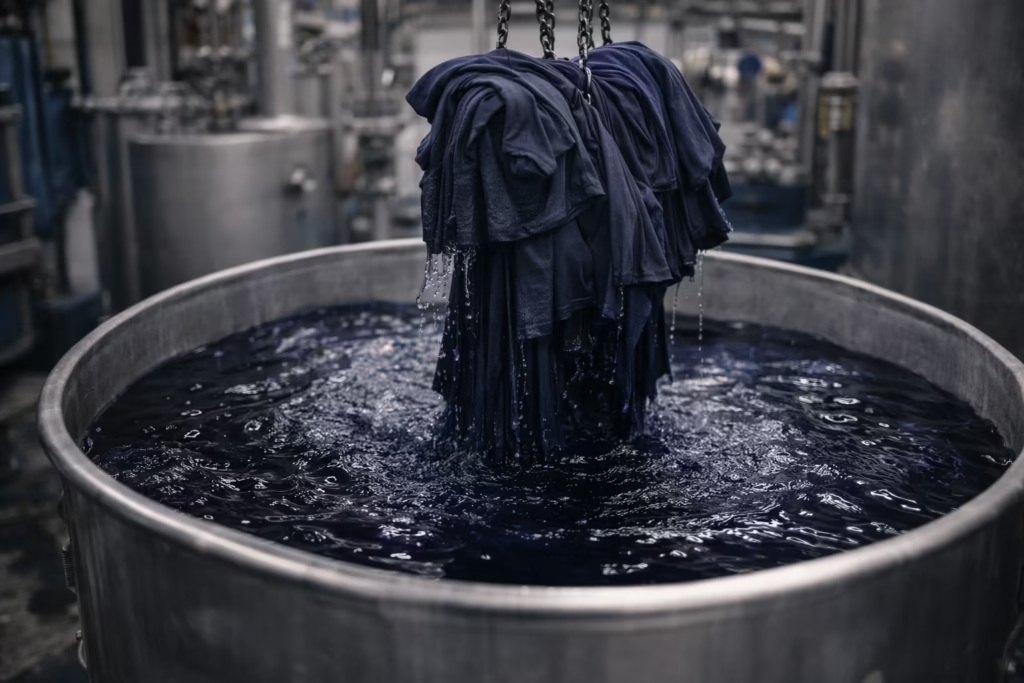
The sourced or newly formed fabrics are dyed with high-quality, eco-friendly dyes and can be printed with custom patterns and designs to meet specific client requirements. 

4. Finishing Treatments

Fabrics undergo advanced finishing processes to enhance performance and add value—such as softening, shrink resistance, water repellency, or wrinkle resistance—based on the product’s end use.

5. Cutting & Assembly

Pattern Making: Expert patterns are developed and graded for accurate fit across sizes.

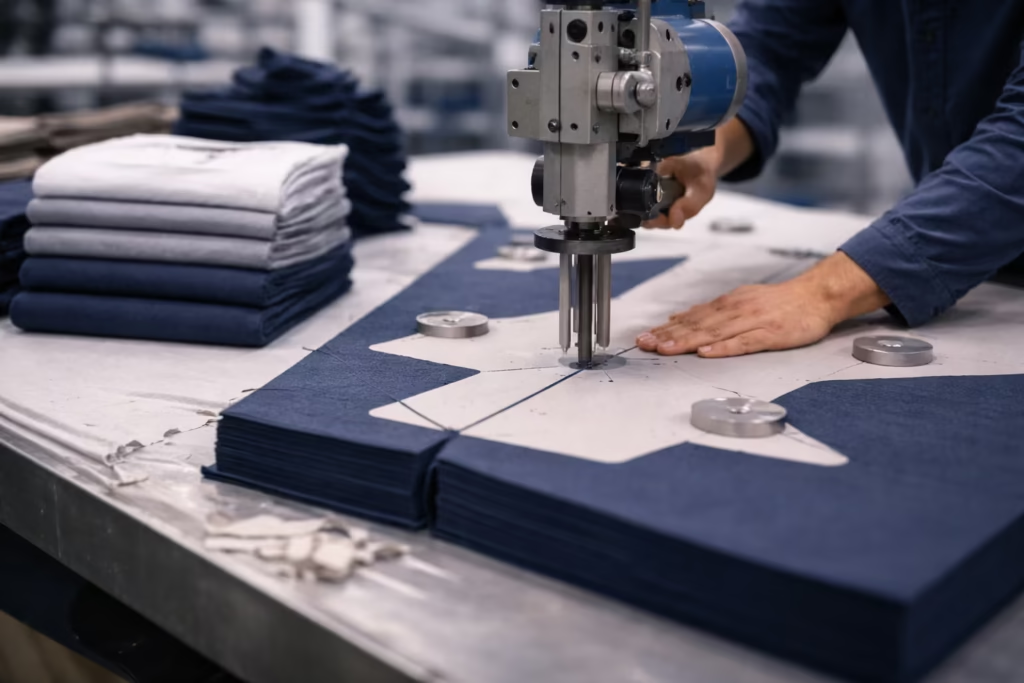
Cutting: Fabrics are precisely cut using modern techniques for accuracy and minimum wastage.

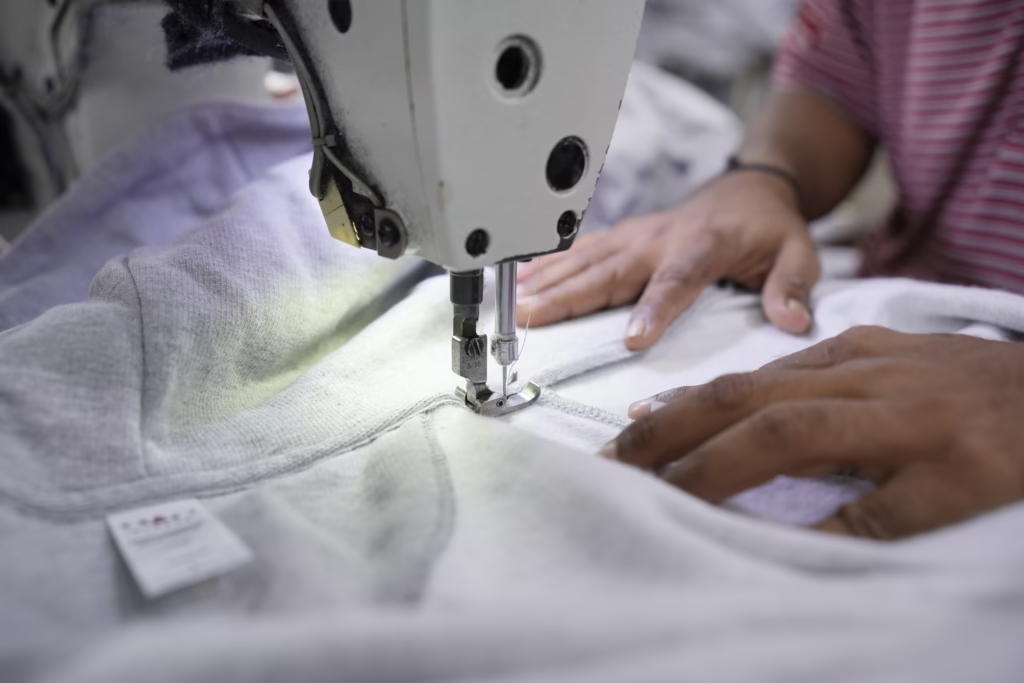
Stitching: Skilled technicians sew the components together to create perfectly finished garments and textile products.

6. Quality Control & Packaging

Every product is thoroughly inspected for defects, durability, and finish. Items are then pressed, tagged, and professionally packaged to ensure they reach customers in perfect condition.

Sewing Techniques for Superior Quality Textiles

At AA-Enterprise, we use advanced sewing techniques to ensure that every product meets the highest standards of durability, comfort, and style. Explore our carefully implemented sewing methods that bring out the best in our textile products:

1. Center Sewing

Precision and Strength for a Flawless Finish.

What It Is:

Center sewing involves stitching along the middle of the fabric’s edge or between two pieces of fabric, ensuring a precise, symmetrical seam. This technique is commonly used in garments like shirts, blouses, and dresses where neatness and balance are key.

Advantages:

  • Symmetry and Aesthetic Appeal: The centered seam creates a visually balanced and professional look.
  • Enhanced Durability: Reinforced stitching ensures long-lasting strength, reducing the chance of seams coming apart over time.
  • Strength: The seam is strategically placed to handle stress points, improving the product’s resilience.

2. Sprintel Sewing

Stretch and Comfort for Active Lifestyles

What It Is:

Sprintel sewing combines overlock and straight stitching to create a flexible, stretchable seam that’s perfect for garments requiring high mobility, such as activewear, sportswear, and swimwear. The seam allows the fabric to stretch while maintaining its strength and integrity.

Advantages:

  • Maximum Flexibility: The seam stretches with the fabric, offering unparalleled comfort and mobility, ideal for activewear.
  • Comfort: The stretchable nature of sprintel seams minimizes discomfort, making it perfect for tight-fitting clothing.
  • Durability: Sprintel sewing ensures long-lasting seams that can handle regular stretching without breaking down.
  • Professional Finish: The technique provides a sleek, clean finish for a polished look on both the inside and outside of garments.
3. Five Thread Sewing

Strength and Durability for Heavy-Duty Wear

What It Is:

Five thread sewing combines two rows of straight stitches with three rows of overlock stitching to create a highly durable, strong seam. This technique is perfect for products that experience heavy wear and stress, such as jeans, workwear, and rugged apparel.

Advantages:

  • Unmatched Strength: The combination of five threads creates an exceptionally strong seam, ideal for heavy-duty fabrics.
  • Flexibility: Despite its strength, the five-thread seam maintains flexibility, ensuring comfort without compromising durability.
  • Fraying Resistance: Overlock stitching prevents fabric from fraying, ensuring that seams stay intact even after extended use.
  • Quality Finish: This technique provides a clean, professional look, giving garments a high-quality, long-lasting finish.

Testimonials

What Our Clients Say About Us!

Contact Us

Connect with us to begin your next textile partnership.

We collaborate closely with brands and buyers to deliver expertly crafted wearables and household textiles that meet international standards. Contact us today to discuss your needs and discover how our experience and commitment to quality can support your business growth.